Most fundraising processes are not processes at all. They are a series of individual conversations with investors that happen to overlap in time. Investors sense this; they can tell when a founder is hoping each conversation will lead somewhere rather than driving toward a specific close date. The result is that founders lose the one thing that matters most in negotiating investment terms: leverage.
A competitive process is a fundraise where multiple investors are at similar stages of diligence at the same time, creating genuine optionality for the founder and urgency for investors who want to move. This article explains how to run one.
Why a competitive process produces better outcomes
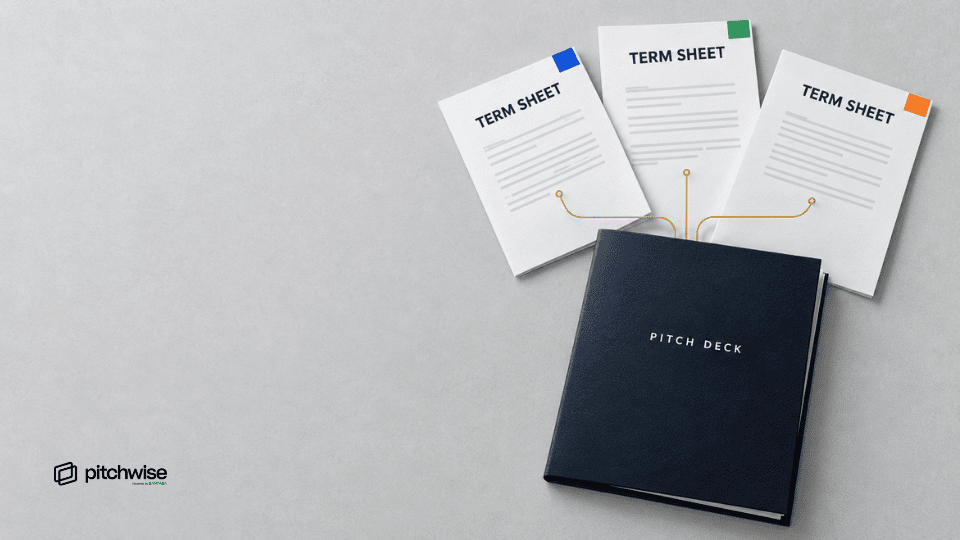
Valuation and terms improve when investors know they are competing. An investor who believes they are the only serious option will take their time, lower their offer, and add onerous terms. An investor who knows another term sheet is possible will sharpen their valuation, compress their timeline, and strip conditions.
The competitive process also improves your information. When multiple investors are asking diligence questions simultaneously, you see the patterns; the questions everyone asks are the ones you need to answer clearly in your pitch. You also learn quickly which investors are genuinely interested versus running a slow-decision process.
The five components of a competitive fundraising process
1. Define the round before you start
Know exactly what you are raising before you talk to the first investor: the round size, the instrument (priced round or SAFE), the valuation or cap, any terms you will not move on, and the date you intend to close. A founder who is "exploring options" is not running a process. A founder raising "$2M at an $8M post-money cap, targeting a close by [date]" is.
2. Build the investor list strategically
Build a tiered list of 30-60 investors (for a seed round). Tier A: your top 5-10 investors – a yes would be your first choice. Tier B: 15-20 strong options where a yes would be a good outcome. Tier C: investors you would accept but are not your preference, used to build momentum and practise the pitch.
Start with Tier C or B for your first conversations, not Tier A. You will tighten your pitch and diligence responses in the first week of conversations. The investors you care most about should see the polished version.
3. Time your outreach for parallel conversations
The goal is to have all conversations in a compressed window, typically two to three weeks. Send outreach in batches rather than sequentially. If you spend three months talking to investors one at a time, you will never have the simultaneous term sheets that create genuine competition.
Use warm introductions where possible. Cold outreach at seed is harder but not impossible; a strong data room sent with a focused outreach message can open doors if your metrics are compelling.
4. Create legitimate urgency
Urgency must be real. The most common mistake in a competitive process is manufacturing false urgency ("I have a term sheet expiring tomorrow") when there is none. Investors talk to each other. Fake urgency, when discovered, destroys trust and kills deals.
Real urgency comes from an actual term sheet with a deadline, a closing date you have communicated from the start and are holding to, a business milestone approaching (product launch, contract signing) that creates a genuine funding window, or a lead investor who has set a closing timeline.
5. Manage the process actively
A competitive process requires active management. Keep a tracker: every investor, where they are in the process (intro / first meeting / diligence / decision), when you last spoke, and what the next step is. Move investors through stages simultaneously. When one investor reaches the term sheet stage, notify the others you are close to a term sheet; this is factual and creates legitimate urgency.
Share your diligence documents via a tracked data room. Knowing which investors have opened which documents and when tells you who is genuinely engaged without requiring a follow-up call.
What to do when you get a first term sheet
Do not sign immediately. Unless the term sheet is your absolute top choice and you are confident no other term sheet will materialise, use the first term sheet to accelerate conversations with other investors. Call your Tier A investors: "We have received a term sheet and are moving toward closing. I wanted to allow you to move forward if you are interested."
This is not a bluff; it is an accurate description of your situation. The response tells you immediately who is actually interested. Investors who are interested will compress their timelines. Investors who are not will decline politely.
Common mistakes in competitive fundraising
Starting too broadly. Talking to 100 investors simultaneously feels competitive but produces noise. A tight list of 30-60 well-researched targets in a compressed window is more effective than a wide spray.
Waiting for perfect metrics. There is no perfect time to fundraise. Raise when you have enough traction to be credible and enough runway to run a 6-8 week process without running out of cash before it closes.
Accepting soft commitments. "We're very interested and want to move forward" is not a term sheet. Do not slow down your process for soft interest. Keep other conversations moving until you have a signed term sheet in hand.
Neglecting the close. Getting to a term sheet is not the end. Post-term-sheet due diligence, legal documentation, and wiring can take 4-8 weeks. Run that process in parallel with any remaining investor conversations, and make sure your documents are organised for the legal review.
Frequently asked questions
How many investors should I talk to in a seed round?
Target 30-60 conversations to generate 3-5 genuine expressions of interest, which gives you a reasonable chance of 1-2 term sheets. Your conversion rate from intro to term sheet will be in the range of 3-8% for most seed-stage companies. Calibrate your list size accordingly.
How long should a competitive fundraising process take?
For a seed round, target a six-to-eight-week total process from first conversations to signed term sheets. Legal closure and wire typically take another four to six weeks. A process that runs longer than twelve weeks has usually lost its competitive dynamic; investors who have been waiting for months know the term sheet competition has not materialised.
Is a competitive process appropriate for a pre-seed round?
Yes, but with adjusted expectations. Pre-seed rounds often move faster (angels can decide in one or two conversations) and the investor universe is smaller (angels, pre-seed funds, and accelerators). The same principles apply: compressed outreach, parallel conversations, and active management, but you will typically be working with a shorter list and a faster close timeline.




.png)
.png)