
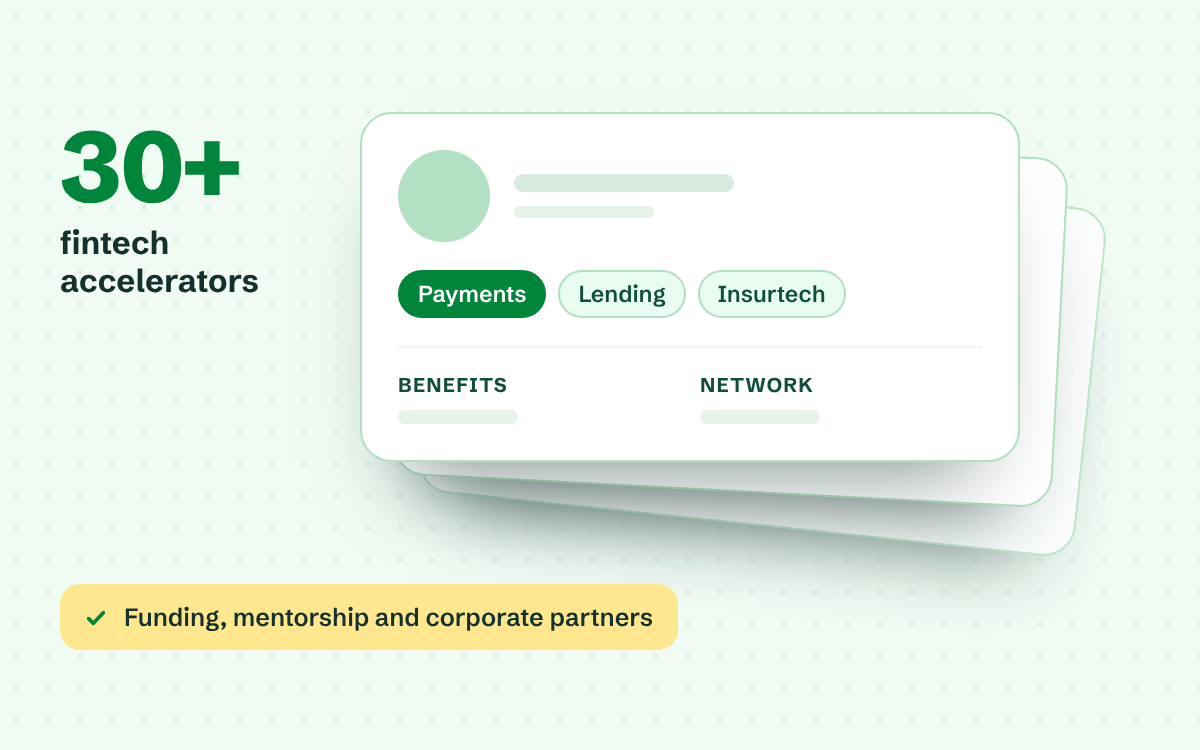
The right accelerator can give a fintech startup more than money: introductions to banks, regulators and the investors who back the sector. This curated list covers more than 30 leading accelerators that accept African fintech startups.
- Leading fintech accelerators supporting African startups
- Key programme benefits, including funding, mentorship and corporate partnerships
- Access to networks of global investors, banks and industry leaders
Whether you want to refine your product, scale your operations or connect with global financial institutions, the list helps you find programmes worth applying to.
How to choose an accelerator
- Check the stage. Some programmes take pre-product teams; others want live revenue.
- Read the terms. Understand how much equity, if any, the programme takes in return for its funding.
- Look at the network. For fintech, partnerships with banks and payment companies can be worth more than the cheque.
- Talk to alumni. Past founders will tell you what the programme actually delivered.
Getting the most from an accelerator
Getting in is only the start. The founders who gain the most from a programme treat it as a short, intense sprint with clear goals.
- Set two or three goals before day one. For example: close a pilot with a bank, refine your pricing and meet ten relevant investors.
- Use the mentors deliberately. Book time with the people who have solved your exact problem, not just the most famous names.
- Ask for introductions. Fintech programmes often have links with banks, payment companies and regulators. Ask for the specific introductions you need.
- Learn from your cohort. Other founders are dealing with the same problems at the same time. Share what works.
- Prepare for demo day early. Build your pitch and your investor list weeks before, so you can follow up while interest is high.
- Keep the relationships going. The alumni network and the programme team can help for years after you graduate.
Fintech founders have one extra job: be ready to explain your regulatory position clearly. Partners and investors met through the programme will ask what licences you hold, which ones you need and how you plan to get them. A clear answer builds trust quickly.
Who it's for
- Early-stage and growth-stage fintech startups in Africa
- Founders looking for investment, mentorship and links with global financial institutions
- Entrepreneurs building payments, lending, insurtech, wealth management and financial inclusion products
- Startup advisors and ecosystem builders
Accelerator questions founders ask
What does a fintech accelerator offer?
Most combine some funding with mentorship, a structured programme and introductions. Fintech programmes often add access to banks, payment networks and regulatory guidance.
Do accelerators take equity?
Many do, in exchange for their investment, while some are equity-free. Terms vary widely, so read them before you apply.
Is an accelerator worth it for a fintech startup?
It can be if the programme opens doors you could not open alone, such as partnerships with financial institutions. It is less useful if you mainly need capital and already have a strong network.
What should I prepare before applying?
A clear deck, your traction to date and a short explanation of your regulatory position. Share them through Pitchwise, a secure document and virtual data room tool, so you can see when a programme opens them.
What if my application is rejected?
Ask for feedback if the programme offers it, keep building and apply again later with stronger traction. Many founders are accepted on a second or third attempt.
Can I join more than one accelerator?
Some founders do, one after another. Check each programme's terms first, especially on equity, and make sure the second offers something the first did not.
How long do accelerator programmes last?
It varies. Many run for around three to six months, but some are shorter and some are ongoing. The list notes the key benefits of each programme.
Do I need a licence before joining a fintech accelerator?
Not always. Some programmes help you work through licensing; others expect you to be further along. Check each programme's criteria before you apply.
Are global accelerators open to African fintech startups?
Many are, and this list focuses on programmes that accept African startups. Some run remotely; others ask teams to relocate for the programme, so check the format before you apply.
What makes a fintech application stand out?
A clear problem in financial services, evidence that customers want your solution, a team with relevant experience and a realistic view of the regulatory path.
Do fintech accelerators help with fundraising afterwards?
Many do, through demo days, investor introductions and alumni networks. Ask each programme how many of its companies raised after graduating.